EV Charger Installation UK: Cost & Process
What home EV charger installation costs in the UK in 2026, how long it takes, the regulations involved, and the best installers (Octopus, BOXT, Pod Point).
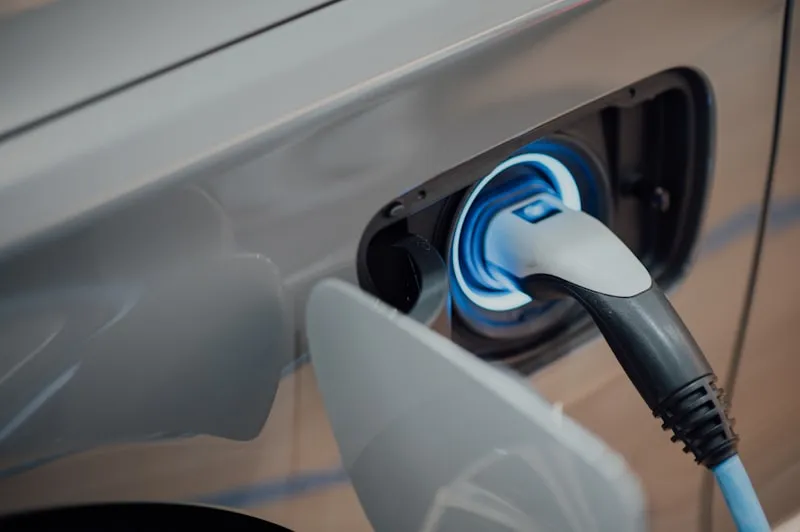
A standard home EV charger installation in the UK in 2026 costs £800–£1,500 all-in, takes around 3–4 hours on the day, and is one of the easier electrical jobs in a modern home. Most homeowners can have a 7 kW smart charger fitted within 2–4 weeks of accepting a quote.
This guide covers the installation cost breakdown, what happens on the day, the regulations every installer must follow, and how the major UK installers (Octopus Energy, British Gas, BOXT, Pod Point and independents) compare on price and service.
EV charger installation cost
The "all-in" 7 kW EV charger installation cost in 2026 breaks down roughly as follows:
| Element | Typical cost | Notes |
|---|---|---|
| 7 kW smart charger hardware | £400 – £750 | Pod Point, Ohme, Wallbox, Hypervolt, myenergi zappi |
| Standard installation labour | £300 – £500 | Up to ~10–15 m cable run, single wall penetration |
| Type A RCD / RCBO protection | £50 – £100 | Built into the install where required |
| DNO notification (G98) | Free | Installer submits; standard single-phase |
| Long cable run (over 15 m) | +£25 – £40/m | Surcharge for longer routing |
| Driveway trenching | +£200 – £500 | If cable must cross a driveway |
| Consumer unit upgrade | +£400 – £700 | If your existing board cannot accept a new circuit |
| Earth rod (where required) | +£100 – £200 | Only if charger lacks built-in O-PEN protection |
The biggest variable is the cable run. A "standard install" assumes up to 10–15 m of cable between your consumer unit and the charger location, plus one wall penetration. Anything longer, more complex, or requiring trenching adds to the cost.
The biggest cost trap: your existing main fuse
Many UK homes have a 60 A or 80 A main fuse. A 7 kW charger draws 32 A — and combined with a heat pump, electric shower or electric hob, total demand can exceed the supply rating. The cutout fuse can only be replaced by the DNO (not your installer), and upgrades can take 4–12 weeks. Most modern chargers include dynamic load balancing (a CT clamp throttles charger output when other loads draw power), which avoids the need for a fuse upgrade.
Home EV charger installation — what's included
An OZEV-authorised installer's standard quote should cover:
- The 7 kW smart charger unit (tethered or untethered)
- Up to 10–15 metres of cable run from your consumer unit
- Drilling through one external wall up to ~500 mm thick
- Type A RCD/RCBO or equivalent fault protection
- Built-in O-PEN protection (or earth rod where required)
- DNO notification (G98 — fit and notify)
- Building Regulations Part P compliance certificate
- Commissioning, app set-up demo, and a brief handover
- Insurance-Backed Guarantee (where the installer offers one)
Best UK EV charger installers
| Installer | Typical install cost | Best for |
|---|---|---|
| Octopus EV Charger Installation | £849 – £1,049 | Octopus Energy customers — Ohme/Wallbox hardware, integrated with Intelligent Octopus Go tariff |
| British Gas EV Charger Installation | £999 – £1,299 | British Gas customers wanting a one-supplier bill, including HomeCare-eligible boilers |
| BOXT EV Charger Installation | £899 – £1,199 | Fast online quote and booking, fixed-price installs |
| Pod Point (direct) | £995 – £1,099 | Most popular UK installer, broad model support |
| Independent OZEV-authorised installer | £700 – £1,400 | Best price flexibility, local responsiveness, non-standard installs |
Octopus EV charger installation
Octopus Energy EV charger installation is the most popular route for Octopus tariff customers. Octopus typically uses Ohme or Wallbox hardware, integrates fully with their Intelligent Octopus Go tariff (~7p/kWh off-peak), and offers fixed-price online quotes from £849 for a standard install.
The key advantage is the tariff integration — Octopus smart-dispatches charging to the cheapest half-hourly slots, often extending the off-peak rate beyond the fixed 23:30–05:30 window. Worth choosing if you're already on Octopus or planning to switch.
British Gas EV charger installation
British Gas offers EV charger installation alongside its broader range of home energy services. Typical installed prices are £999–£1,299 for a 7 kW unit. Strong choice for existing British Gas customers wanting one-supplier billing, especially if you also have a HomeCare boiler cover plan.
British Gas uses primarily Wallbox and Hypervolt hardware. Their EV Power tariff offers around 9 p/kWh off-peak with extended off-peak windows (70 hours per week).
BOXT EV charger installation
BOXT — best known for fixed-price boiler installs — also handles EV chargers across the UK. Their pricing is competitive (£899–£1,199 for standard installs), the online quote process is fast, and installs are typically completed within 1–2 weeks of accepting.
BOXT works with multiple hardware brands; the offer at quote time depends on stock and your specific install requirements. Independent of any specific energy tariff.
Pod Point
Pod Point is the UK's biggest EV charger installer by volume. Their flagship Solo 3 unit (tethered or untethered) is fitted for around £995–£1,099 in a standard install. Strong app, broad model compatibility, and very wide service area.
Pod Point is a sensible default if you're not already an Octopus or British Gas customer and want a reliable, well-supported install.
Independent OZEV-authorised installers
Local independents typically beat the national installers on price for standard work — £700–£1,000 is achievable in most areas. They also respond faster for warranty callouts and can be more flexible on non-standard installs (long cable runs, awkward access, listed buildings).
Search the OZEV-authorised installer list on gov.uk for installers in your area. Confirm they're a member of a competent person scheme (NICEIC, NAPIT, ELECSA) and offer an Insurance-Backed Guarantee.
EV charger installation cost calculator: rule of thumb
For quick budgeting, work on these benchmarks:
- Standard install, driveway parking, modern consumer unit: £800–£1,000
- Standard install plus moderate cable extension: £1,000–£1,200
- Standard install plus consumer unit upgrade: £1,200–£1,500
- Three-phase install: £1,200–£1,800
- Complex install (long cable run + trenching + earth rod): £1,500–£2,200+
What happens on EV charger installation day
For a typical standard install (3–4 hours total):
- Installer arrives, confirms charger location and cable route with you
- Power is isolated at the consumer unit
- A new dedicated circuit is run from the consumer unit to the charger location (typically 6 mm² or 10 mm² cable)
- Cable is routed — surface clipped externally, through a wall, or through a loft as needed
- The charger unit is mounted to the wall, connections made, and tested
- Power restored, charger commissioned via the manufacturer app
- Installer demonstrates the app, explains scheduling, walks through how to start a charge
- Electrical Installation Certificate (EIC) issued under competent person scheme
- Building Regulations Part P notification submitted
- DNO notification submitted within 28 days (G98 fit-and-notify)
EV charger installation regulations
Building Regulations Part P
Any new electrical circuit in a UK dwelling must comply with Part P (electrical safety). EV charger installs are notifiable work — the installer must notify Building Control via a competent person scheme (NICEIC, NAPIT, ELECSA). You don't apply separately; the certificate is issued automatically.
BS 7671:2018+A2:2022 Section 722 (Wiring Regulations)
The Wiring Regulations cover EV chargers specifically in Section 722:
- Dedicated circuit (not shared with other loads)
- Type A or Type B RCD protection (Type A is acceptable if the charger has built-in DC fault detection — most modern units do)
- For outdoor installs on a PME (TN-C-S) supply: O-PEN protection (either built into the charger or via an external device, or supplementary earth electrode)
- Cable sized for the load and route (typically 6 mm² for short runs, 10 mm² for longer)
DNO notification — G98 vs G99
Standard single-phase 7 kW (32 A) home charger: G98 — fit-and-notify, no pre-approval needed. Installer notifies the DNO within 28 days.
Three-phase install, or any install pushing total prospective demand above the supply rating: G99 — pre-approval required, 2–8+ weeks. The DNO can require a supply upgrade or refuse the application if the local network is constrained.
Planning permission for EV charger installation
Planning permission is normally not required for a domestic 7 kW wall-mounted EV charger under permitted development, provided:
- The unit is below 0.2 m³ in size
- The location is more than 2 m from a highway
- The property isn't listed or in a conservation area
- You're installing on a single dwelling (not flats)
- Cross-pavement installs on public footways require local highways authority permission
For listed buildings, always seek advice from a conservation officer before committing. For flats and on-street parking, the application route is different and consent from the landlord, freeholder or managing agent is required.
Smart Charge Point Regulations 2021
Every UK EV charger sold and installed must be a smart charger compliant with the Electric Vehicles (Smart Charge Points) Regulations 2021:
- Default off-peak window — the unit ships with peak windows blocked by default (08:00–11:00 and 16:00–22:00 weekdays). You can override but must do so deliberately.
- Randomised delay — when an off-peak charging session starts, the unit waits a random delay of up to 10 minutes before drawing power, to prevent grid spikes.
- App / dashboard — you'll be able to see exactly how much energy was delivered, when, and at what rate.
- Cyber-security and updates — the unit receives firmware updates over the air. Don't disable connectivity unless you have a specific reason.
After installation — what you should walk away with
- Electrical Installation Certificate (EIC) — under competent person scheme
- Part P Building Regulations compliance certificate
- Manufacturer warranty registration confirmation (typically 3–5 years on the unit)
- App login configured and tested
- DNO notification reference
- EV Chargepoint Grant claim reference if applicable (for eligible renters, flat owners, landlords)
- OZEV-authorised installer's contact details for any future warranty issues
Common EV charger installation problems and how to avoid them
- Main fuse rating wasn't checked at quoting — install stalls waiting for DNO upgrade. Insist on photos of your meter/main fuse at quote stage.
- Cable route assumed straightforward — turns out the loft is full of insulation. Be honest about your property's layout from the start.
- Earth rod required but ground is paved/clay — pick a charger with built-in O-PEN protection (Ohme, Wallbox Pulsar, Hypervolt, Easee, Pod Point Solo 3, myenergi zappi).
- Charger ordered as untethered, property owner needed tethered (or vice versa) — confirm at quote stage.
- Smart tariff requires a SMETS2 smart meter — check yours is SMETS2 (or SMETS1 enrolled in the DCC) before committing to a tariff-bundled deal.
- Grant claimed but property turns out to be ineligible — check our EV Chargepoint Grant eligibility guide; freehold house owners don't qualify.
Common questions
How much does EV charger installation cost in the UK?
A standard 7 kW home EV charger installation costs £800–£1,500 all-in in 2026. That includes the hardware (~£400–£750), labour (~£300–£500), DNO notification, and Part P compliance. Surcharges apply for long cable runs (over 10–15 m), driveway trenching, consumer unit upgrades, or three-phase installs.
How long does EV charger installation take?
A standard install takes 3–4 hours on the day. Total elapsed time from accepting a quote to the install happening is usually 2–4 weeks, longer if the DNO requires pre-approval (G99) or if your fuse rating needs upgrading first.
Is EV charger installation included free with energy tariffs?
Some employers offer free installs through workplace charging schemes, and some installers run periodic promotions (especially for new EV buyers via the dealer). Octopus Energy occasionally bundles installation with EV tariff sign-up, and British Gas offers HomeCare bundles. Outside those, "free EV charger installation" usually means a heavily-discounted or bundled offer — read the small print for tie-in terms.
Who is the cheapest EV charger installer in the UK?
Independent OZEV-authorised local installers are usually cheapest (£700–£1,000 for a standard install). National installers like BOXT, Pod Point, Octopus Energy and British Gas charge £900–£1,300 but offer fixed-price online booking and standard warranty. The cheapest install isn't always the best value — check that the quote includes everything (DNO notification, Part P compliance, IBG-backed workmanship warranty).
Do I need planning permission to install an EV charger?
Usually no. A 7 kW wall-mounted home EV charger is normally permitted development in the UK, provided the unit is below 0.2 m³, more than 2 m from a highway, and the property isn't listed or in a conservation area. Cross-pavement installs on a public footway always require local highways authority permission.
Can I install my own EV charger?
No — EV charger installation is notifiable work under Part P of the Building Regulations. It must be done by a qualified electrician registered with a competent person scheme (NICEIC, NAPIT, ELECSA) and notified to Building Control. DIY installs are unlawful and will invalidate your home insurance and any car warranty that relies on a compliant install.
What's the cheapest place to get an EV charger installed near me?
Get at least three quotes — one from a national installer (Pod Point, BOXT, Octopus, British Gas) for a fixed-price benchmark, and two from local OZEV-authorised installers in your area. Local installers can often beat national pricing on standard installs and respond faster for warranty issues. Search "OZEV-authorised installer near me" or use the OZEV installer list on gov.uk.
Sources & further reading
- Electric Vehicles (Smart Charge Points) Regulations 2021 — legislation.gov.uk
- OZEV Guide to EVSCP Regulations 2021 — OZEV
- Notifying DNOs — MCS
- Connecting a single EV charging point — Electricity North West (sample DNO)
Editorial standards
How this guide was put together
Independent
Editorially independent UK guides — no sponsored content
Primary sources
Every guide cites gov.uk, Ofgem, MCS and manufacturer data
Current
Updated as schemes, prices and regulations change
Find OZEV-authorised installers near you
Get free quotes from approved EV charger installers. DNO paperwork and Part P notification included.
Get Free Quotes