EV Charger Grants UK 2026: Who Qualifies
The £500 EV Chargepoint Grant — who can actually claim it in 2026, who can't, and how the grant landscape changed after the old EVHS closed in 2022.
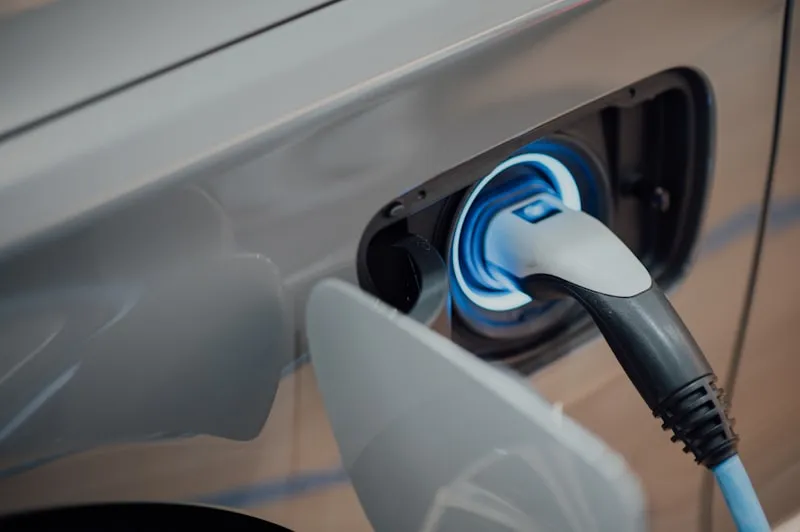
The short version: the UK EV charger grant pays up to £500 per socket (75% of the install cost) — but only to renters, flat owner-occupiers, residential landlords and businesses. If you own and live in a freehold house you do not qualify; that route closed in 2022. Every remaining scheme runs until 31 March 2027.
EV charger grants in the UK in 2026 are tighter than most homeowners realise. The all-purpose "OZEV grant" that lots of comparison sites still reference doesn't exist as a single scheme, and the part that used to cover owner-occupier homeowners in houses closed four years ago. Here's what actually exists today and who can claim what.
If you own and live in a freehold house, there's no grant for you
The original Electric Vehicle Homecharge Scheme (EVHS) closed to single-unit homeowners on 31 March 2022. It was replaced by the narrower EV Chargepoint Grant, which excludes owner-occupiers in houses, bungalows, terraces, semis and detached properties.
A homeowner who owns a freehold house with a driveway pays the full installed price for their charger — typically £800–£1,500. The compensation: a 7 kW charger plus a smart EV tariff like Intelligent Octopus Go pays itself back in roughly 12 months versus public rapid charging.
The grants that do exist in 2026
| Grant | Who it's for | Amount |
|---|---|---|
| EV Chargepoint Grant — renters & flat owners | Renters in any property, or flat owner-occupiers, with private off-street/allocated parking | Up to £500/socket |
| EV Chargepoint Grant — on-street parking | Households with only on-street parking, where a permanent cross-pavement cable channel is installed | Up to £500/socket |
| EV Chargepoint Grant — landlords | Residential landlords providing chargers for tenants | Up to £500/socket, up to 200 sockets total |
| Workplace Charging Scheme | Businesses, charities, public-sector orgs | 75% off install (cap £500/socket, max 40 sockets) |
All four grants are funded until 31 March 2027 — the scheme is in its final year. The headline rate rose from £350 per socket to £500 per socket on 1 April 2026.
EV Chargepoint Grant — renters and flat owner-occupiers
Eligibility:
- You either rent any residential property, or own and live in a flat (regardless of building type)
- You have private off-street or allocated parking and a legal right to it
- You've obtained landlord / freeholder / managing-agent consent before applying
- You use an OZEV-authorised installer
The grant pays up to £500 per socket. The installer claims the grant on your behalf — you don't need to apply directly to OZEV. The deduction shows on your quote.
On-street parking
For households whose only parking is on-street, the grant pays for a charger plus a permanent installed cross-pavement charging solution (a recessed cable channel set into the pavement — not a rubber mat or cable cover, which most local authorities won't permit). Requires consent of the local highways authority; planning permission may also apply.
Note: applications closed to customers on 31 March 2026 — check gov.uk for the latest position before assuming you can still apply through this route.
Residential landlords
Residential landlords providing chargers for tenants can claim up to £500 per socket, capped at 200 sockets across all sites. Cannot be claimed where the install was mandated by Part S Building Regulations (new build / major renovation) or by a planning condition.
The separate infrastructure grant route for landlords (covering wiring and civils) closed to new applications on 31 March 2026, along with the Staff & Fleets Infrastructure Grant and the Commercial Landlord Grant.
Workplace Charging Scheme
For businesses, charities and public-sector organisations: 75% of the purchase and installation cost of an EV chargepoint, capped at £500 per socket, up to 40 sockets per applicant across all sites. Open to applications until 31 March 2027.
Where the OZEV branding gets confusing
OZEV stands for the Office for Zero Emission Vehicles — the government team within the Department for Transport (and DESNZ) that administers EV-related incentives. OZEV is the department, not the grant. Articles that refer to "the OZEV grant" usually mean whichever of the four schemes above applies to the reader's situation — but the terminology is technically wrong, and you'll see it cause confusion.
The official OZEV term is "EV Chargepoint Grant" for the residential schemes and "Workplace Charging Scheme" for the business scheme. Use those when searching for the official guidance.
What about Scotland?
Scotland operates a separate EV chargepoint funding programme through Transport Scotland and Energy Saving Trust Scotland. The Home Energy Scotland EV programme has come and gone in various forms over the years — at time of writing (June 2026) there's no national domestic home-charger grant in Scotland, but loans are available through Home Energy Scotland for energy-efficiency-and-EV packages. Check the current position at Energy Saving Trust Scotland.
If you don't qualify — should you still install a charger?
Yes, almost always. For a typical UK home with off-street parking, the maths is:
- Install cost: ~£900 (typical untethered Pod Point Solo 3 or similar)
- Annual mileage: 10,000 miles → ~2,500 kWh of EV charging
- Public rapid charging: ~£1,750/year (at 70 p/kWh)
- Home charging on Intelligent Octopus Go (7 p/kWh off-peak): ~£175/year
- Saving: ~£1,575/year. Payback: ~7 months.
Even compared to charging at home on the standard Ofgem cap (24.67 p/kWh), the home charger still saves ~£1,000/year vs public rapid charging. The grant is a nice-to-have where it applies, not a make-or-break. If you are choosing hardware next, our guide to what to look for in a home charger and the 7 kW vs 22 kW comparison cover the rest.
EV charger grant FAQs
Who qualifies for an EV charger grant in the UK?
Four groups can claim the £500-per-socket EV Chargepoint Grant: renters (in any property), flat owner-occupiers, residential landlords, and businesses via the Workplace Charging Scheme. All need private off-street or allocated parking and an OZEV-authorised installer. The group that cannot claim is the biggest one — owner-occupiers living in freehold houses.
Can I get an EV charger grant if I own my house?
No. If you own and live in a freehold house, bungalow, terrace, semi or detached property, there is no grant for you — the original Electric Vehicle Homecharge Scheme closed to single-unit homeowners on 31 March 2022 and was never replaced for that group. You pay the full installed price, typically £800–£1,500. The grant only survives for renters, flat owners, landlords and workplaces.
How do I apply for the EV charger grant?
For the residential schemes you do not apply directly. You choose an OZEV-authorised installer, they confirm your eligibility, apply on your behalf, and deduct the grant from your quote — so the £500 shows as a discount rather than a rebate you have to claim back. Businesses using the Workplace Charging Scheme request a voucher first, then redeem it with an authorised installer.
Is there an EV charger grant in Scotland?
Scotland runs its own funding through Transport Scotland and Energy Saving Trust. At the time of writing there is no national domestic home-charger grant in Scotland, but interest-free loans for EV-and-energy packages are available through Home Energy Scotland. The UK-wide EV Chargepoint Grant still applies to Scottish renters, flat owners and landlords.
Is there an EV charger grant in Northern Ireland?
Yes — the EV Chargepoint Grant operates UK-wide, so renters, flat owner-occupiers and residential landlords in Northern Ireland qualify on the same terms: 75% of the cost, up to £500 per socket. The Department for Infrastructure publishes the Northern Ireland-specific guidance.
Is there a grant for businesses installing EV chargers?
Yes — the Workplace Charging Scheme covers 75% of the purchase and installation cost, capped at £500 per socket, for up to 40 sockets per applicant across all sites. It is open to businesses, charities and public-sector organisations until 31 March 2027.
Are there any free EV chargers in the UK?
Not from the government — the grant covers up to £500 per socket (75% of the cost), not the whole bill. Some energy suppliers occasionally bundle a discounted or "free" charger with an EV tariff, but those tie you to one supplier and tariff, so compare the total cost rather than the headline. For most homes the charger pays for itself within about a year through cheap off-peak charging anyway.
Sources & further reading
- Electric vehicle chargepoint grants — overview — gov.uk
- Changes to EV chargepoint grant schemes from 1 April 2026 — gov.uk
- EV chargepoint grant — renters & flat owners — gov.uk
- EV chargepoint grant — landlords — gov.uk
- Workplace Charging Scheme — guidance for installers — gov.uk
- Office for Zero Emission Vehicles — gov.uk
Editorial standards
How this guide was put together
Independent
Editorially independent UK guides — no sponsored content
Primary sources
Every guide cites gov.uk, Ofgem, MCS and manufacturer data
Current
Updated as schemes, prices and regulations change
Find an OZEV-authorised installer
If you qualify, the installer applies for the grant on your behalf. Quotes are free.
Get Free Quotes