EV Chargepoint Grant UK 2026: Who Actually Qualifies
The four EV chargepoint grants that exist in 2026 — and which one (if any) you qualify for. The £500/socket grant, who it's for, and the major exclusion most homeowners don't know about.
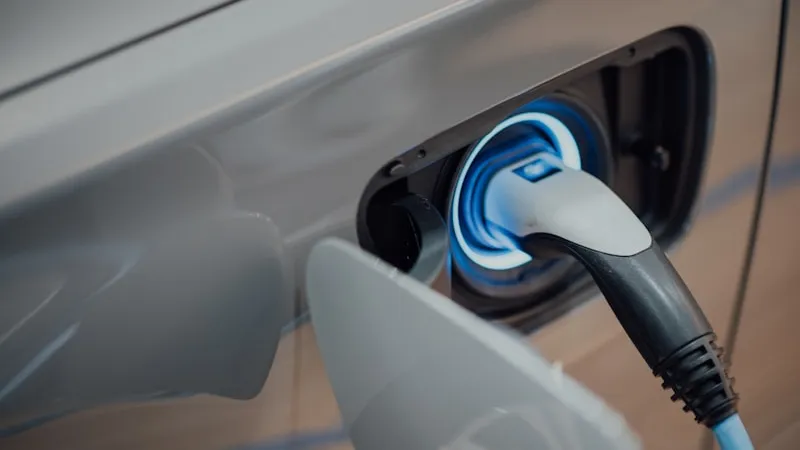
The UK has four separate EV chargepoint grant schemes in 2026 — not one. Each has different eligibility, but they share the same £500-per-socket cap (raised from £350 on 1 April 2026) and the same end date (31 March 2027). The biggest source of confusion: the original grant for homeowners in houses closed in 2022 and was not replaced.
Most owner-occupier homeowners in houses don't qualify
The original Electric Vehicle Homecharge Scheme (EVHS) closed to single-unit homeowners on 31 March 2022. The replacement EV Chargepoint Grant excludes owner-occupiers in freehold houses, bungalows, terraces, semis and detached properties. They pay the full installed cost — typically £800–£1,500.
The compensation: a 7 kW charger plus a smart EV tariff (like Intelligent Octopus Go at ~7 p/kWh off-peak) pays itself back in roughly 12 months versus public rapid charging — making the grant a "nice to have" rather than a deal-breaker.
The four current grants
| Scheme | Who qualifies | Amount | Cap |
|---|---|---|---|
| Renters & flat owners | Renters in any property, flat owner-occupiers — with private off-street parking | £500/socket | Per socket |
| On-street parking households | No private parking; permanent cross-pavement cable channel installed | £500/socket | Closed to new applications 31 March 2026 |
| Residential landlords | Landlords providing chargers for tenants | £500/socket | 200 sockets total |
| Workplace Charging Scheme | Businesses, charities, public sector | 75% (cap £500/socket) | 40 sockets per applicant |
Grant 1: Renters and flat owner-occupiers
For people who live in any residential property they don't fully own, or who own a flat:
- You're a renter (in any property — flat or house) or a flat owner-occupier
- You have legal access to private off-street or allocated parking
- You've obtained written consent from the landlord, freeholder, or managing agent
- You use an OZEV-authorised installer
The grant pays up to £500 per socket. Most installs are single-socket. Installer applies on your behalf; the deduction shows on your quote.
Grant 2: On-street parking households
For households whose only parking is on-street, the grant covers a charger plus a permanent cross-pavement cable channel (a recessed cable conduit set into the pavement). Rubber mats and surface cable covers are not eligible — most local highways authorities won't permit them.
Requires consent of the local highways authority; sometimes planning permission too. The cross-pavement install itself adds £500–£1,500+ on top of the standard charger install.
Note: applications via this route closed to new customers on 31 March 2026. Check gov.uk for the latest position.
Grant 3: Residential landlords
Residential landlords providing chargers for tenants can claim up to £500 per socket, capped at 200 sockets across all sites. Cannot be claimed where the install was mandated by Part S Building Regulations (new build / major renovation) or by a planning condition.
The separate infrastructure grant route for landlords (covering wiring and civils) closed to new applications on 31 March 2026.
Grant 4: Workplace Charging Scheme (WCS)
For businesses, charities and public-sector organisations: 75% of the purchase and installation cost of an EV chargepoint, capped at £500 per socket, up to 40 sockets per applicant across all sites. Open until 31 March 2027.
The OZEV branding confusion
OZEV stands for the Office for Zero Emission Vehicles — the cross-government team that administers EV-related incentives. OZEV is the department, not a grant. When you see "OZEV grant" mentioned, it refers to whichever of the four schemes applies. Most older articles still use this generic term, but the official names (EV Chargepoint Grant for domestic, Workplace Charging Scheme for businesses) are what you'll find on gov.uk.
Scheme end date and the rate increase
All four schemes are funded until 31 March 2027. From 1 April 2026 the rate rose from £350 per socket to £500 per socket — so if you qualify and were considering an install, doing so before the scheme closes in March 2027 captures the higher rate.
How to apply
- Confirm you qualify under one of the four schemes (see eligibility above)
- Get consent from any landlord, freeholder, or managing agent if applicable
- Get a quote from an OZEV-authorised installer (the installer list is published by OZEV; not all installers qualify)
- The installer applies for the grant on your behalf and deducts it from your quote
- The install goes ahead; the installer claims the grant after commissioning
Beyond the grant: the home charging economics still work
Even without a grant, a home EV charger pays back fast versus public rapid charging:
- Standard 7 kW install: ~£900
- Public rapid charging: ~70 p/kWh average
- Home charging on Intelligent Octopus Go: ~7 p/kWh off-peak
- 10,000 mile/year EV ≈ 2,500 kWh consumption
- Annual savings (home vs public): ~£1,575
- Payback on the install: ~7 months
Sources & further reading
Written by a qualified heating engineer
This guide was written by a Gas Safe registered plumber and heating engineer with hands-on experience installing and maintaining heating systems in UK homes.
Get a chargepoint quote
OZEV-authorised installers handle the grant application (if you qualify) and the DNO paperwork.
Get Free Quotes