Warm Homes Plan UK 2026: What's Live Now
The UK's £15bn Warm Homes Plan explained — what it covers, who's eligible, which parts are live now vs coming in 2027, and how to get help today.
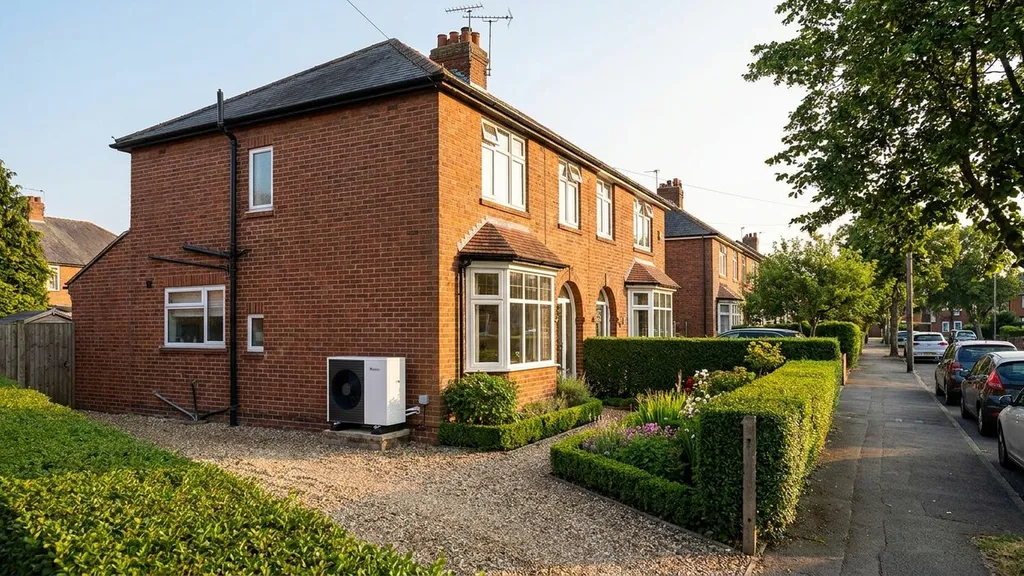
The short version: the Warm Homes Plan is a £15 billion government programme, published in January 2026, to upgrade up to 5 million UK homes by 2030 with insulation, heat pumps and solar. But here's the part the headlines skip — most of it doesn't open until 2027. The valuable thing to know today is which parts are already live, because several are, and they stack.
The Plan is best understood as an umbrella: it pulls together the grants and schemes that already exist, adds new low-interest loans, and brings in tougher rules for landlords — all overseen by a new Warm Homes Agency. Below is what it actually contains, what you can use right now, and what's still on the way.
Most of the new money isn't available yet
The £15 billion headline covers the whole Parliament, and the flagship new element — low- and zero-interest homeowner loans for solar, batteries and heat pumps — is not yet open for applications. Government and industry guidance points to a phased rollout from 2027, with full eligibility details still to be published.
So if you need help now, don't wait for "the Warm Homes Plan" to open — use the schemes already running underneath it (below). They're live, and you can combine them.
What's live now vs what's coming
| Support | Status | What it gives you |
|---|---|---|
| Warm Homes: Local Grant | Live now | Up to £30,000 of fully-funded upgrades for low-income English homes |
| Boiler Upgrade Scheme | Live now | £7,500 off a heat pump (£9,000 for oil/LPG from July 2026) |
| 0% VAT on materials | Live now | 0% VAT on heat pumps, solar, batteries & insulation (to 31 Mar 2027) |
| Warm Home Discount | Live now | £150 off winter electricity bills |
| Homeowner loans (Warm Homes Fund) | Coming — phased from 2027 | Low- and zero-interest loans for solar, batteries and heat pumps |
| Landlord EPC C requirement | Phasing in to 2030 | Private & social rentals must reach EPC band C |
| Warm Homes Agency | Being set up | National delivery body + impartial advice for households |
What you can use today
These are the schemes the Plan consolidates — all open now, and most can be combined:
- Warm Homes: Local Grant — up to £30,000 of fully-funded insulation, heat pumps and solar for lower-income owner-occupied and privately rented homes in England, delivered through your local authority.
- Boiler Upgrade Scheme — £7,500 off a heat pump in England and Wales (rising to £9,000 for oil and LPG homes from July 2026).
- 0% VAT on energy-saving materials — no VAT on heat pumps, solar, batteries and insulation until 31 March 2027.
- Warm Home Discount — £150 off winter electricity bills for eligible households.
- ECO4 — supplier-funded insulation and heating upgrades for the least efficient, lower-income homes (running alongside the Plan).
What's still to come
The genuinely new parts of the Warm Homes Plan — the bits that justify the "biggest investment in British history" framing — are mostly still being designed:
- Homeowner loans — low- and zero-interest finance for solar, batteries and heat pumps, open to homeowners across income levels. Expected to phase in from 2027.
- Expanded grants — wider and deeper grant support building on the Warm Homes: Local Grant.
- Landlord standards — private and social landlords required to bring rented homes up to an Energy Performance Certificate (EPC) rating of C by 2030, to tackle cold and damp rentals. See our guide to the new EPC rules for landlords for the timeline, the £10,000 cost cap and how to comply.
- The Warm Homes Agency — a new national body to deliver the schemes and offer impartial advice, so households don't have to navigate a dozen separate programmes.
How the Plan compares to what came before
The Warm Homes Plan doesn't replace the existing schemes overnight — it absorbs and extends them. The biggest change in principle is the addition of loans for middle-income homeowners, who have historically fallen between the cracks: too well-off for the means-tested grants, but still facing a £10,000+ bill for a heat pump. Whether the loans are attractive will depend on the interest rates and terms, which haven't been confirmed.
For the upgrades themselves, our guides on heat pumps, solar panels and battery storage cover what the kit actually costs and whether it's worth it — the Plan changes how you pay, not what you're buying.
Scotland, Wales and Northern Ireland
The Warm Homes Plan is an England-led programme. If you live elsewhere in the UK, your support comes through a devolved scheme instead: Home Energy Scotland and Warmer Homes Scotland north of the border, the Nest scheme in Wales, and the Northern Ireland Sustainable Energy Programme. The technologies covered are similar; the eligibility rules and funding pots differ.
Warm Homes Plan FAQs
What is the Warm Homes Plan?
It is the UK government's flagship home-upgrade programme, published in January 2026. It commits £15 billion over this Parliament to upgrade up to 5 million homes by 2030 — through insulation, heat pumps and solar — and pulls together grants, new loans and tougher landlord rules under a new Warm Homes Agency. The government says it aims to support up to 180,000 jobs and lift more than a million households out of fuel poverty.
Is the Warm Homes Plan open yet — when does it start?
The Plan itself was published in January 2026, but most of the new support phases in from 2027. What you can actually use today is the set of existing schemes it sits over: the Warm Homes: Local Grant, the Boiler Upgrade Scheme, 0% VAT on energy-saving materials and the Warm Home Discount. The headline new homeowner loans are not yet open for applications.
Who is eligible for the Warm Homes Plan?
It depends on the scheme. The grants (like the Warm Homes: Local Grant) target lower-income households in England — typically those on a qualifying benefit, with a household income under about £31,000, or spending a high share of income on energy. The planned loans are expected to be open to homeowners of all incomes once live. Renters benefit indirectly, through new rules requiring landlords to upgrade their properties.
What is the difference between the Warm Homes Plan and ECO4?
ECO4 is an obligation funded by energy suppliers, focused narrowly on the least energy-efficient, lower-income homes. The Warm Homes Plan is the broader government umbrella — combining grants, new loans and landlord regulations — and is designed to reach a much wider range of households and technologies. ECO4 continues to run alongside it.
How much money is in the Warm Homes Plan?
£15 billion over this Parliament — described by the government as the biggest public investment in home upgrades in British history. The stated goals are to upgrade up to 5 million homes, support up to 180,000 additional jobs and cut buildings' greenhouse-gas emissions, all by 2030.
Does the Warm Homes Plan cover Scotland, Wales and Northern Ireland?
The Warm Homes Plan is led by the UK government for England. Scotland, Wales and Northern Ireland run their own equivalent schemes — for example Home Energy Scotland and Warmer Homes Scotland, and the Nest scheme in Wales. If you live outside England, check your devolved nation's programme for the current offer.
Sources & further reading
- Warm Homes Plan (HTML) — gov.uk (DESNZ)
- Warm Homes Plan — publication page — gov.uk
- Apply for the Warm Homes: Local Grant — gov.uk
- What the Warm Homes Plan means for you — Energy Saving Trust
- Q&A: What the UK's Warm Homes Plan means for bills — Carbon Brief
Editorial standards
How this guide was put together
Independent
Editorially independent UK guides — no sponsored content
Primary sources
Every guide cites gov.uk, Ofgem, MCS and manufacturer data
Current
Updated as schemes, prices and regulations change
Ready to upgrade now?
Several parts of the Plan are already live. Get free quotes for a heat pump or solar and see what you'd pay after grants and 0% VAT.
Get Free Quotes