Electric Vehicle Grant UK 2026: £3,750 Off
The Electric Car Grant — launched July 2025. Up to £3,750 off a new electric car under £37,000, applied at the dealership. Here's exactly who qualifies and how.
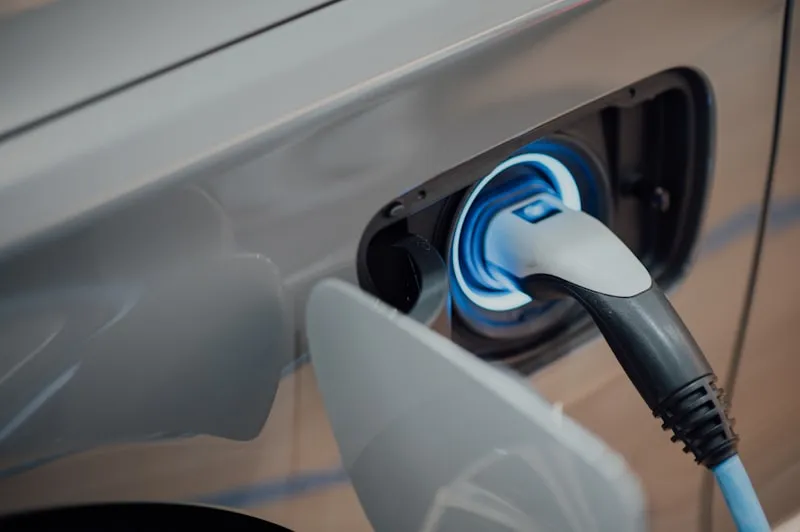
The Electric Car Grant (often called the Electric Vehicle Grant or EVG) is a brand-new £650 million scheme launched by the Department for Transport on 15 July 2025. It pays up to £3,750 toward the price of a new eligible electric car under £37,000, applied at the dealership as a price reduction — you don't have to claim anything yourself.
The scheme is the first significant consumer-facing EV purchase incentive in the UK since the Plug-in Car Grant closed in June 2022. It's funded for around three years and is designed to bridge the cost gap between EVs and equivalent petrol/diesel cars while battery prices continue falling.
How much you can get
| Sustainability band | Grant amount | How it qualifies |
|---|---|---|
| Band 1 (cleanest manufacturing) | Up to £3,750 | Lowest-emissions production: clean grid in country of manufacture + low embedded battery emissions |
| Band 2 | Up to £1,500 | Meets minimum environmental criteria but production emissions higher than Band 1 |
| Not eligible | £0 | Manufacturer hasn't signed up, vehicle priced over £37k RRP, or fails environmental thresholds |
The grant uses a two-band sustainability scoring system. Cars manufactured using cleaner energy (e.g. in countries with lower-carbon electricity grids) and with lower-emission battery production qualify for the full £3,750. Cars meeting the basic environmental threshold but with higher production emissions qualify for £1,500. Cars that don't meet either threshold aren't eligible.
The £37,000 cap is RRP including options
The price cap is based on the manufacturer's recommended retail price including any factory-fitted options. Dealer-added options that push the on-the-road price above £37,000 don't disqualify the car — but if the configured RRP exceeds £37k, the grant doesn't apply at all. There's no partial grant. Cross-check carefully before ordering an EV you're configuring close to the cap.
Who's eligible
The grant is for:
- The buyer — any UK individual or business buying a new eligible EV. No income test, no benefits required.
- The vehicle — new (not used) battery electric car (BEV) with:
- RRP under £37,000 (including factory options)
- Range over a minimum threshold
- Manufactured by a participating company that has signed up to the scheme
- Meeting environmental sustainability standards for either Band 1 or Band 2
Hybrid vehicles (PHEVs), used EVs, and vans/motorcycles are not eligible for this scheme. There's a separate Plug-in Van Grant for commercial electric vans and a Plug-in Motorcycle Grant for electric motorcycles and mopeds.
How to claim — the dealer does it
Unlike the old Plug-in Car Grant where the manufacturer applied, this scheme is administered by the dealer at the point of sale:
- You choose an eligible EV from a participating manufacturer
- The dealer confirms the model is on the live eligibility list and which band applies
- The grant is deducted from the price you pay — you'll see the reduction as a discount line on your invoice
- The dealer claims the grant back from the government after the sale
You don't need to apply, prove eligibility, or wait for reimbursement. The deduction is immediate, just like the old plug-in scheme — but it's the dealer rather than the manufacturer who triggers it now.
Which cars are eligible?
The list of eligible models is updated regularly by the Office for Zero Emission Vehicles (OZEV) as manufacturers complete the sustainability assessment. Models confirmed eligible as of early 2026 span a range of mainstream brands — entry-level EVs from major manufacturers that fall under the £37k cap.
Manufacturers who haven't signed up to the scheme (some premium / boutique brands; some Chinese manufacturers with higher-emission grid sourcing) won't appear on the list. Always confirm with the dealer before assuming the grant will apply.
The live list is maintained at gov.uk/guidance/electric-car-grant-vehicle-eligibility — check this before placing an order.
How long is the scheme open?
The £650 million budget is designed to run for around three years from launch (i.e. through mid-2028) or until funds run out, whichever comes first. The Plug-in Car Grant ran for over a decade before closing — but its budget was reduced in stages over that time. Expect the EVG to follow a similar pattern: full rate while budget allows, possibly reduced rates or scope changes later.
Stacking with other schemes
The EVG is independent of other schemes — you can stack it with:
- The EV Chargepoint Grant (£500/socket for eligible renters and flat owner-occupiers — not freehold house owners)
- Smart EV tariffs like Intelligent Octopus Go (~7p/kWh off-peak) — see our EV tariffs guide
- Salary sacrifice EV schemes through your employer (significantly bigger tax benefits than the EVG for higher-rate taxpayers)
Salary sacrifice in particular can deliver savings of 30–50% of the gross car cost for higher-rate taxpayers through BiK (Benefit-in-Kind) advantages, often bigger than the EVG itself. If your employer offers it and you're a 40%+ taxpayer, it's usually the better route.
What about used EVs?
The EVG is for new cars only. There's no current UK government grant for used EVs — the used EV market has grown significantly since 2022 and prices have come down accordingly, but the Treasury hasn't introduced a buyer-side incentive for second-hand purchases.
If you're EV-curious but the new-car cost is prohibitive even with the grant, the used market in 2026 has a lot to offer — 2–3 year-old EVs from the original Plug-in Car Grant era are typically £8,000–£18,000 and often retain most of their range capability.
The bigger picture
The EVG complements two other parts of the UK's EV transition:
- The Zero Emission Vehicle Mandate — requires manufacturers to sell an increasing percentage of zero-emission vehicles each year (28% in 2025, 33% in 2026, rising to 80% by 2030, 100% by 2035).
- Vehicle Excise Duty changes — EVs lost their VED exemption from April 2025 and now pay standard rate after the first year (£10 first-year rate, £195/year standard rate). The Expensive Car Supplement (over £40k list price) also applies to EVs from April 2025.
Sources & further reading
- £650 million Electric Car Grant — government launches new EV grant scheme — DfT, 15 July 2025
- Electric Car Grant: vehicle eligibility — gov.uk
- Office for Zero Emission Vehicles — gov.uk
Editorial standards
How this guide was put together
Independent
Editorially independent UK guides — no sponsored content
Primary sources
Every guide cites gov.uk, Ofgem, MCS and manufacturer data
Current
Updated as schemes, prices and regulations change
Already got an EV?
Make the most of it with a home charger and a smart tariff.
Browse EV charger guides